
Advertisement
An enduring commitment to African American artistry, cultural legacy, and investing in the next generation.
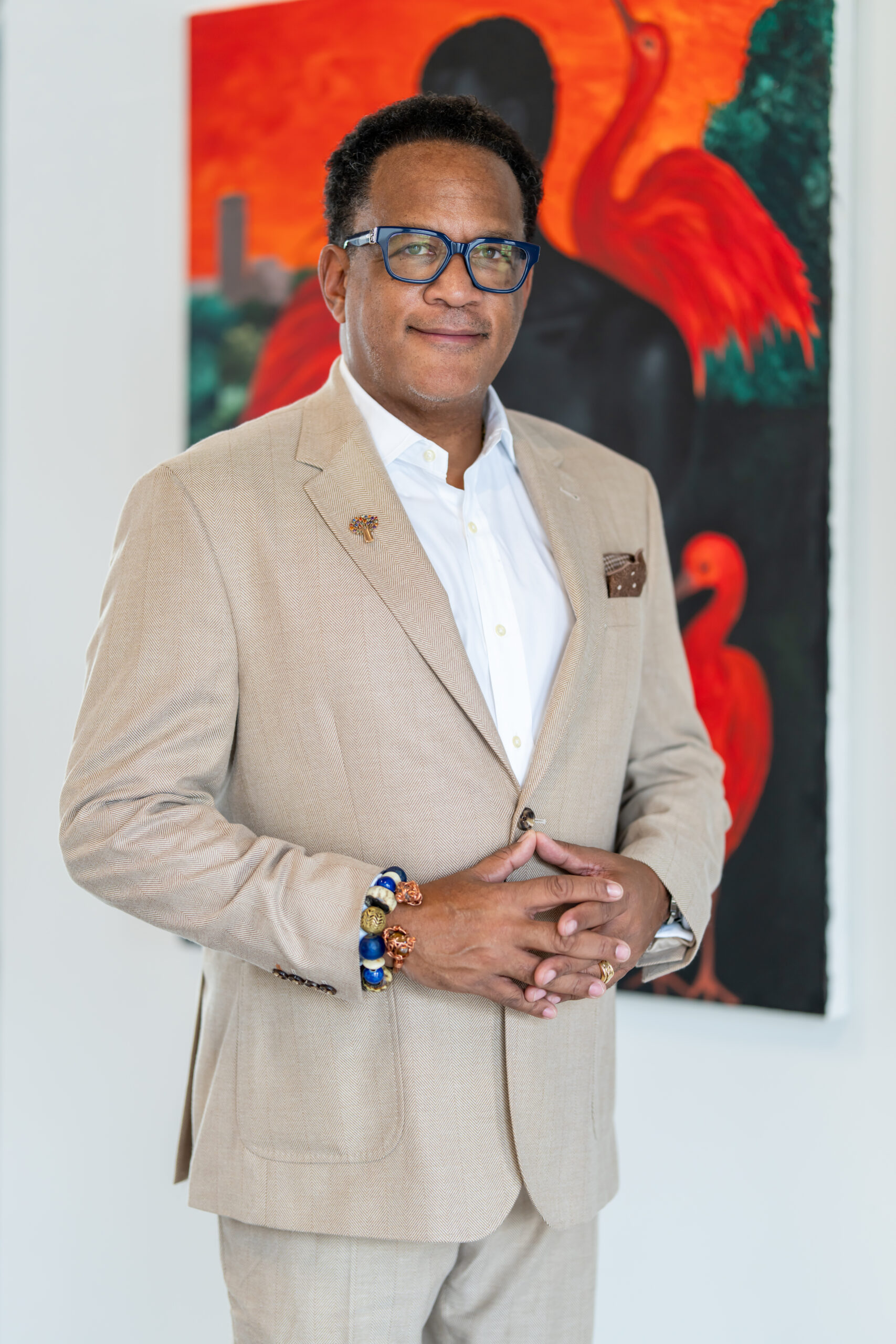
For distinguished art collector and entrepreneur Herb Gray, collecting art is far more than an appreciation of creativity and beauty. It is a profound commitment to cultural preservation, economic empowerment, and the celebration of African American artistic excellence. Alongside his wife, Felicia Gray, he has cultivated the **Herb and Felicia Gray Art Collection**, a meaningful reflection of their shared values, cultural identity, and dedication to preserving history through art. What began as a personal desire to surround himself with images that reflected his heritage has evolved into a purposeful journey of collecting, philanthropy, and advocacy. Through strategic relationships with artists, galleries, and cultural institutions, Gray is helping to elevate the visibility and value of African and African American art while ensuring that future generations inherit more than beautiful works—they inherit a legacy of cultural pride, ownership, and possibility.
What initially inspired your journey into art collecting, and how has your approach to acquiring art evolved over the years?
I was inspired to begin collecting shortly after graduating from college, when I was looking for artwork to enhance my apartment. I found myself drawn to images of people who reminded me of family members and individuals from the communities where I grew up. Those early acquisitions were deeply personal and reflected my desire to surround myself with art that celebrated my cultural identity.
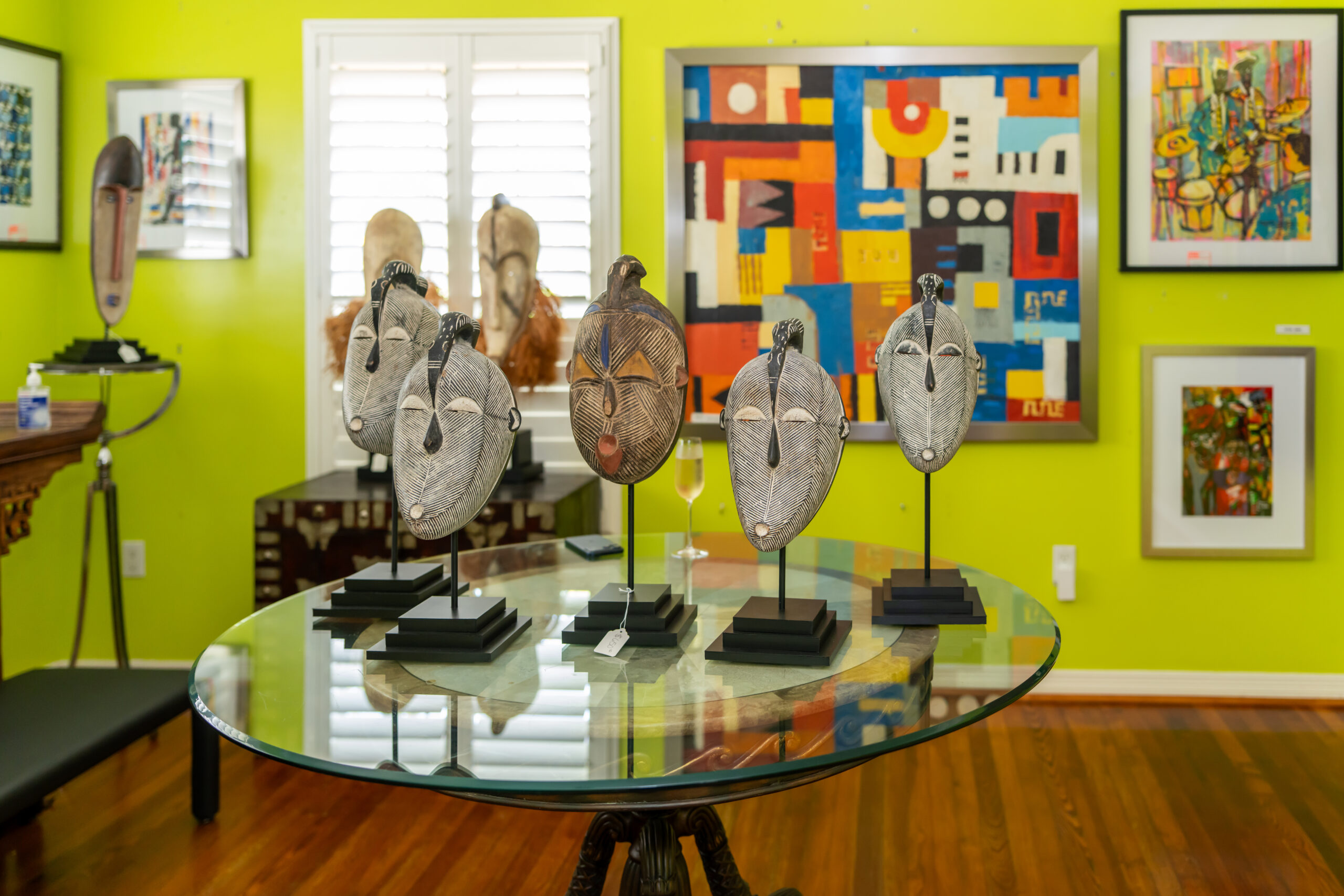
Initially, I discovered artwork while shopping at malls and attending community events. Today, my approach is much more intentional and informed. I acquire works through established relationships with galleries, direct connections with artists, museum visits, art publications, and digital platforms that provide access to artists around the world. Collectively, these experiences have allowed me to develop a significant cultural art collection that continues to evolve.
At what point did you begin to recognize yourself as a serious art collector, and how has your understanding of that identity changed?
Early in my collecting journey, several respected collectors shared something that stayed with me: if you have acquired even a few meaningful works of art, you are already an art collector. That perspective helped me embrace the identity early on.
What has changed over the years is my capacity to collect with greater intention. Today, I have more financial resources to acquire significant works, more time to research artists and their contributions, and a broader network of knowledgeable individuals who provide valuable insight. While my collection has grown, my appreciation for the cultural significance of art has remained central to my journey.
When considering a new acquisition, how do you balance personal appreciation, cultural significance, and the potential financial value of a work?
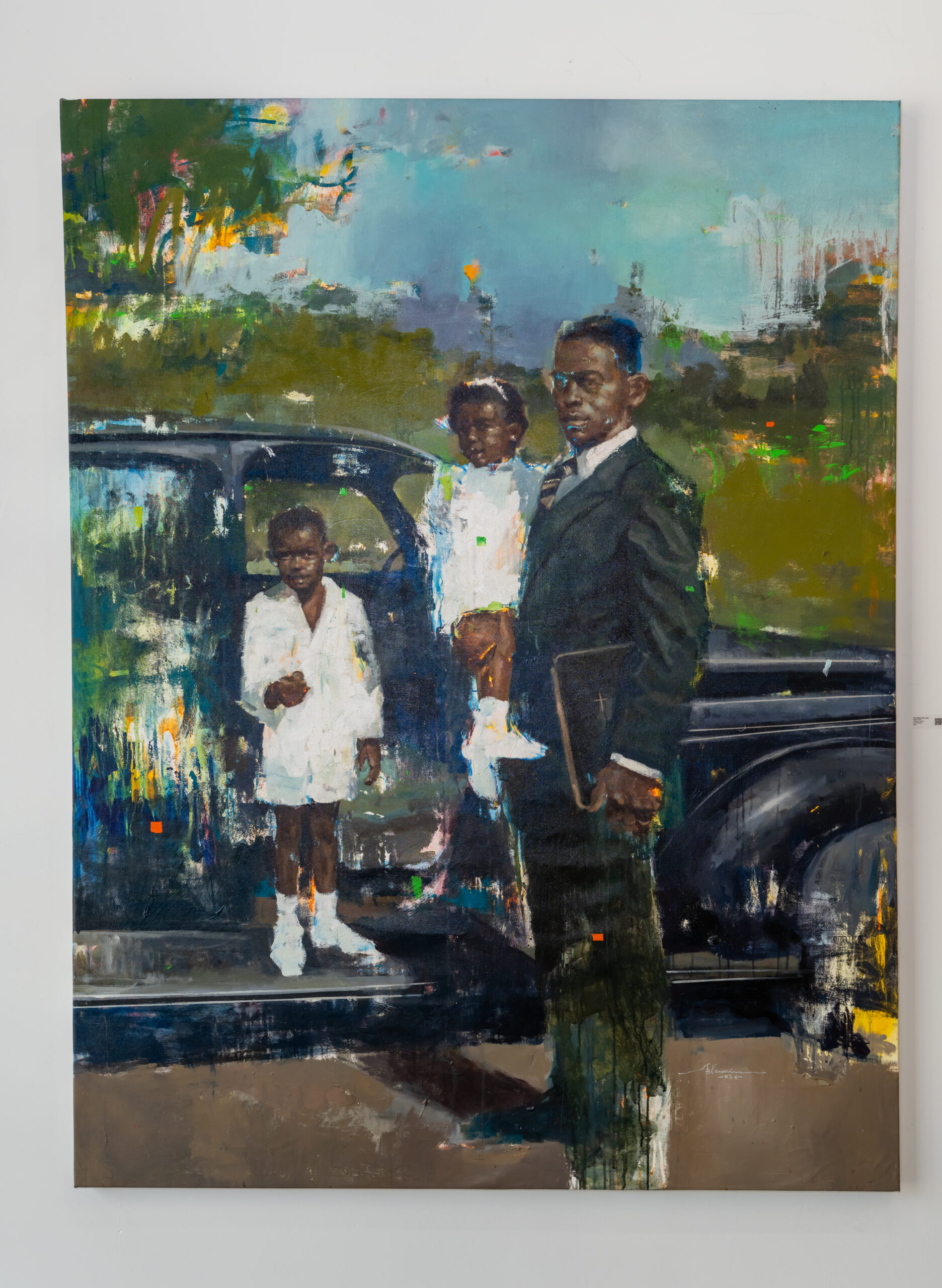
My first consideration is always whether I connect with the artwork visually and intellectually. I acquire pieces that resonate with me, that I understand, and that I believe my family will appreciate and enjoy. Naturally, I also make decisions within the parameters of my financial budget.
I generally do not acquire artwork based primarily on its potential financial return. For me, the greatest return comes from knowing that my family owns meaningful representations of our cultural history. There is also tremendous satisfaction in making works from our collection available to museums, universities, and other institutions for exhibitions and educational experiences. That opportunity to share our heritage is an invaluable part of collecting.
Beyond acquiring their work, how important is it for you to establish personal relationships with artists and support their professional development?
Over the past three or four years, I have made a conscious effort to personally meet the artists whose works I acquire. When artists are based internationally, we connect through video and other communication platforms.
I believe it is important to understand their creative decisions, artistic philosophies, and long-term professional aspirations. As a business owner, I also recognize that artistic talent must often be supported by sound business practices. Whenever possible, I offer guidance and leverage my professional relationships within the art community to help artists navigate opportunities that can contribute to their growth and success.
For me, collecting is not simply about acquiring a finished work. It is also about investing in the people whose creativity makes these works possible.
African and African American artists have historically faced challenges in achieving equitable recognition within the art market. How are you using your influence to help change that narrative?
Securing equitable institutional representation and appropriate financial valuation for African and African American artists remains a significant challenge.
I believe collectors have a responsibility to advocate for greater recognition and fairness within the art world. Through my relationships with museum boards, gallery owners, and professional art appraisers, I work to encourage meaningful conversations about the importance of evaluating these artists with the same seriousness, respect, and standards afforded to others.
Their artistic contributions deserve to be recognized not as a separate category of achievement, but as an essential part of the broader history of art.
Your commitment to supporting African American artists extends into the broader business community. How does economic empowerment influence your collecting philosophy?
Economic empowerment is an important part of my collecting philosophy. Many of the gallery owners, art appraisers, framers, art dealers, and artists with whom I conduct business are African American.
There is a tremendous sense of fulfillment in knowing that my collecting activities also contribute to the financial success and sustainability of Black-owned businesses.
I believe cultural appreciation and economic participation should work together. Supporting the arts means supporting the entire ecosystem of talented professionals and entrepreneurs who make the art world function.
As your collection continues to grow, what systems have you established to protect its value, document its history, and position it for institutional opportunities?
I approach art collecting with the same level of seriousness and financial responsibility that I apply to purchasing real estate, managing retirement investments, and operating my businesses.
Acquiring art represents a significant financial commitment, and I believe responsible stewardship requires meticulous documentation and thoughtful management.
I work with a talented team that maintains detailed records of our acquisitions through an art-focused financial management platform and The Gray Art Collection website. These records include purchase prices, artistic mediums, artist biographies, and other relevant information.
Maintaining this level of organization helps preserve the integrity and history of the collection while making it easier for museums, universities, and cultural institutions to identify works available for exhibition or educational purposes.
It also positions me to participate in meaningful conversations and panel discussions about collecting, cultural preservation, and the importance of supporting artists.
When future generations reflect on the Herb and Felicia Gray Art Collection, what do you hope they will understand about your commitment to art, philanthropy, and cultural legacy?
I hope future generations will recognize that Felicia and I were deeply committed to collecting and preserving important representations of our cultural history.
We want our collection to reflect more than the acquisition of beautiful artwork. We want it to demonstrate our belief in the transformative power of art, our commitment to philanthropy, and our dedication to supporting artists whose contributions deserve to be celebrated.
Most importantly, I hope our legacy inspires future generations to recognize the importance of cultural ownership, invest in artistic excellence, and continue creating opportunities for emerging artists.
Ultimately, we want the Herb and Felicia Gray Art Collection to stand as a testament to what is possible when passion, purpose, and a genuine commitment to community come together.
Advertisement