Exploring the Intersection of Art, Entrepreneurship, Spirituality, and Cultural Legacy
Dr. Lockhart, your coffee table book, Painting in the Spirit: A Journey of Art & Soul, represents more than a collection of extraordinary artwork. What inspired you to document your artistic journey in this format, and what do you hope readers will discover about the man, his faith, and the creative vision behind the paintings?
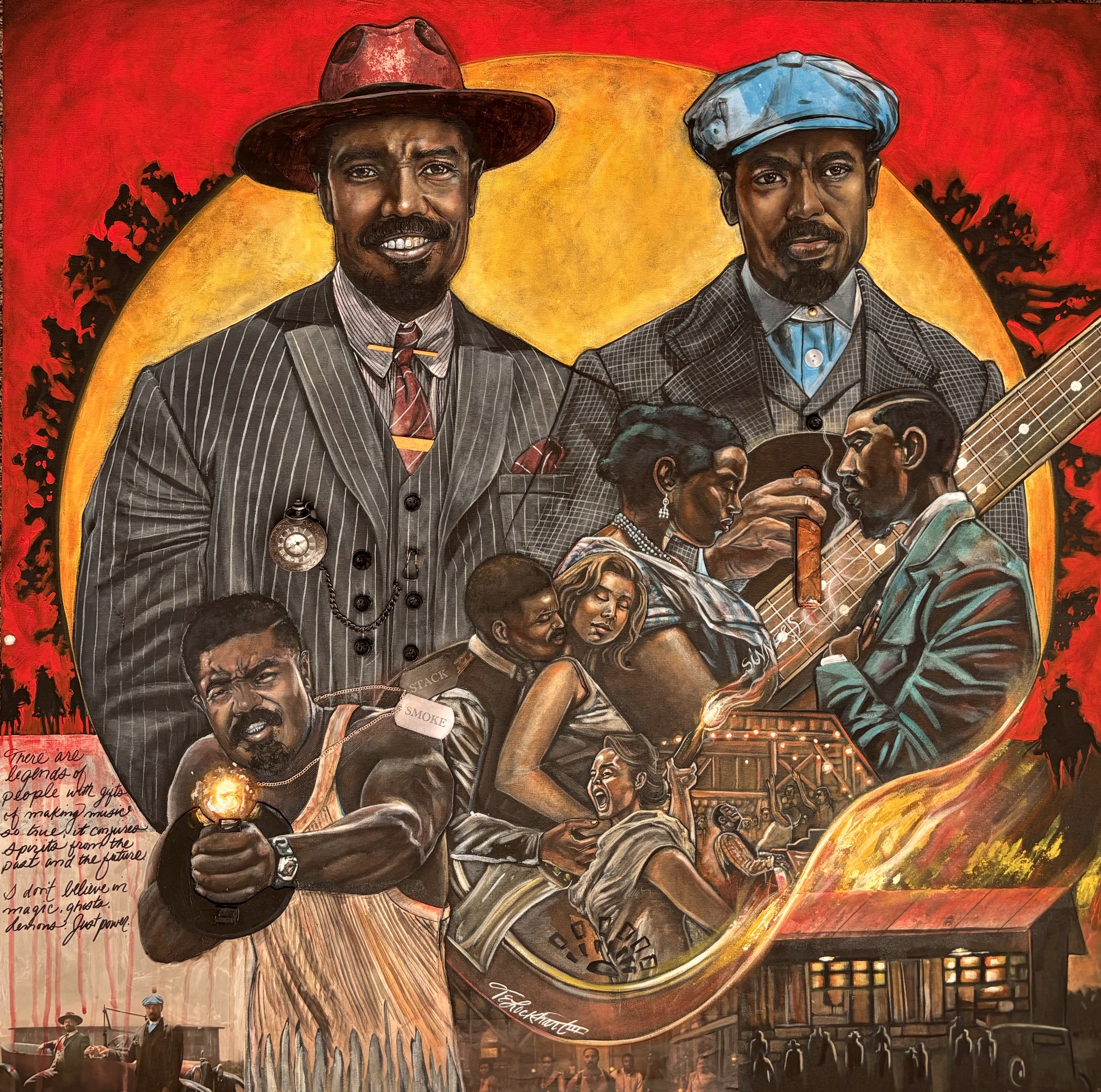
I was was inspired by my first meeting with Taroue Brooks. He asked me if I had considered publishing a book of my Art Journey. I have seen others do it, but I didn’t know the proper steps to take and he did. He helped me put together a plan to make this a reality. I want readers to feel a sincere connection with the artwork. I want them to learn about the stories I am telling through the work. Also for other readers to take pride in what their ancestors have been able to accomplish. Many things have been erased from our knowledge. I hope to show them through my work. My faith is the leading aspect of my artistic vision. I want people to see Yahweh through the work I produce. I begin each image in prayer on a blank, black painting surface and I end each design in thanks.
As an accomplished African American artist and entrepreneur, how have you navigated the business of art while remaining committed to your creative authenticity? What lessons have you learned about transforming artistic talent into a sustainable enterprise?
Being a full time artist takes a person giving a lot of time and effort to creating. The business side of the creative process can be even more challenging to navigate. At times, you have to work on them both just as hard to accomplish your vision. Being true to what you are trying to convey is very important. Your vision belongs to you and sometimes you have to fight to get it out. I believe you have to be the first person to push forth your ideas in a creative process. If you believe in what you were doing, it makes it easier for other people to as well.
Many of the lessons that I’ve learned over the years are to not be afraid to put your work in front of people. Meaning, sometimes you have to travel. Sometimes you have to do podcast. Sometimes you have to shoot videos and sometimes you have to be willing to accept critique. It is very important that you get a mentor, someone who is working in your field and in a place where you see your vision heading. To give you guidance and to help you stay on track.
Your work reflects a profound connection to spirituality, cultural identity, and the African American experience. How do these influences inform your artistic expression, and what responsibility do you believe artists have in preserving and interpreting our collective history?
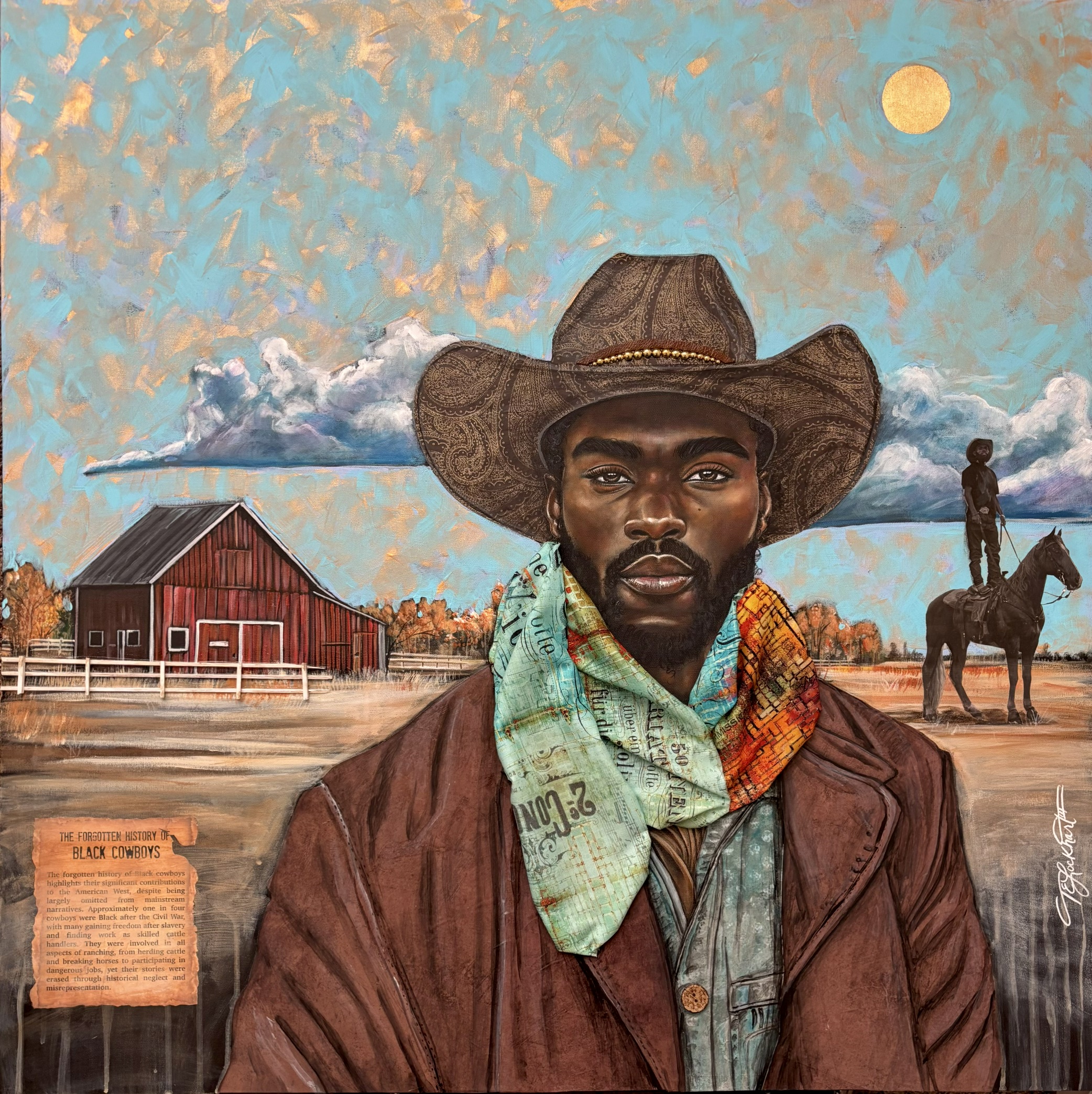
I always wanted my artwork to tell a story. How I’m inspired by the work that I create happens in many circumstances. For example, I may get an idea from a conversation that I have or listening to other speak about a certain topic. My ideas come from music and melody. They also come from history and current events in our society. Sometimes I form ideas from images that I see. I look past these images and see something else I believe that God has given me to take that image in a different direction. I believe that Artist have a responsibility of documenting their reality just as spoken word or actors or other artistic expressions that people have it is our gift in this gift that we have is a must to be able to get out into circulation. This work is about bringing knowledge and giving inspiration to our current generation and the ones that will proceed us.
The publication of Painting in the Spirit represents an important milestone in your professional journey. How did your collaboration with art collector Taroue W. Brooks help bring this project to fruition, and what does this partnership illustrate about the importance of relationships between artists and collectors?
My relationship with Taroue Brooks has been an absolute blessing. I have learned many things when it comes to processing and understanding getting your thoughts out on paper platforming setting up foundations in guiding stories in the directions that people can feel that they are gaining something special by moving through the pages of this book. I want people to sit with each image read the short description and see how it connects to them. The partnership that we have is extremely important showing how to black men with common goals can work together to bring forth an amazing piece of work that will be around for many years to come.
African American artists have historically made extraordinary contributions to the cultural landscape, yet disparities in representation, institutional recognition, and ownership persist. What changes would you like to see within the art industry to ensure that Black artists receive greater visibility, equitable opportunities, and lasting economic value for their work?
I believe one of the things that we have to do is show the Worth of the work in our own communities. What I mean by that is that in our own surroundings, we have to purchase this work, celebrate this work and build our own tables and not look for a seat at another industries table. Because of many times we are telling our stories about our heartaches our trials our passions are victories that not many other communities may understand. And if we build up what we envision and we bring others along to help us grow there is no way that we cannot prosper.
We have been left out of institutions and the disparities have been great. But one thing is for sure we built institutions for Little to nothing and our culture is the one that leads the way of the world. It is important for us to see the greatness and who we are and not diminish the beautiful contributions of others, but to see the light in each one of us as we continue to express our work through a creative path.
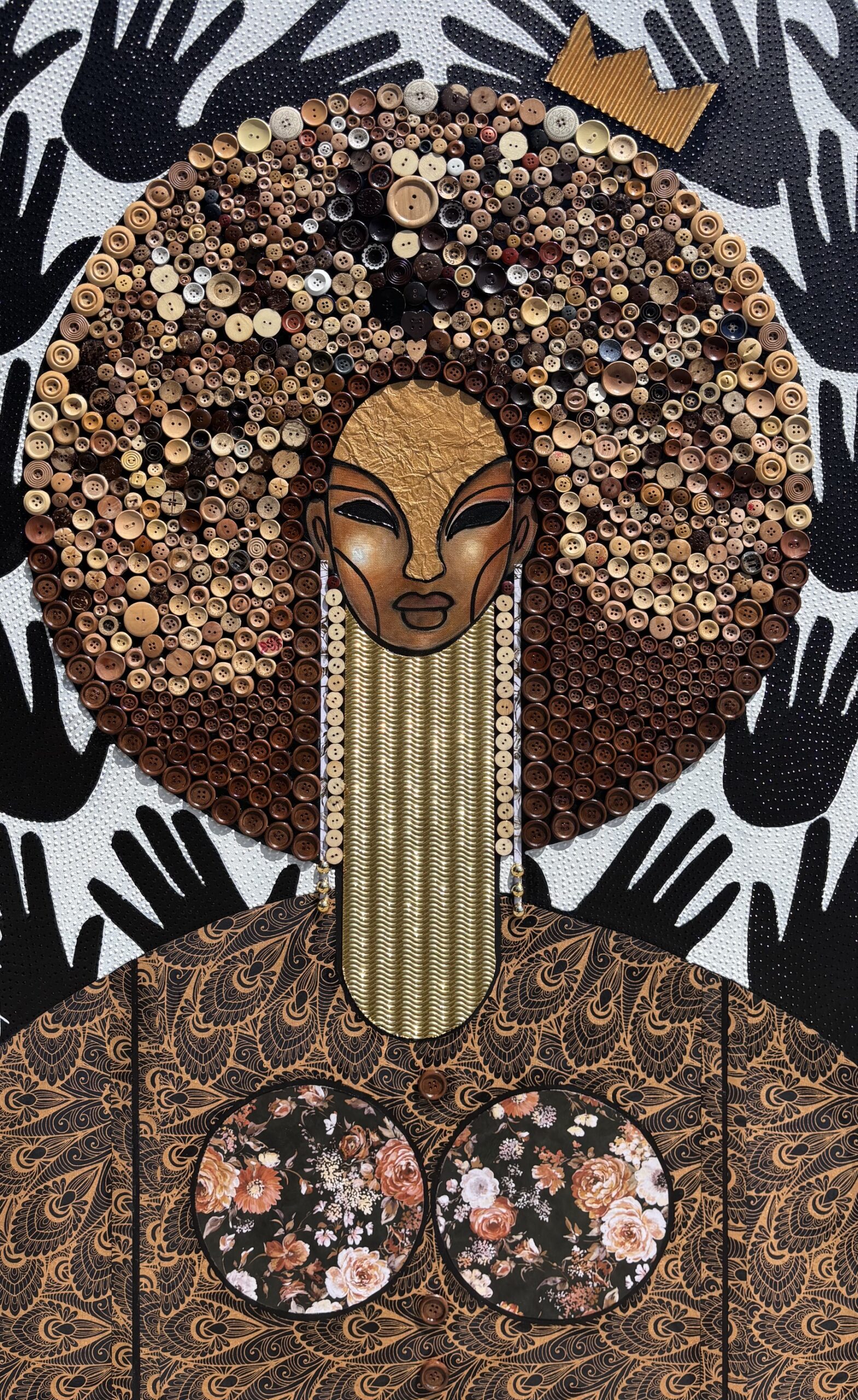
For aspiring artists, particularly young African Americans who may not recognize the creative arts as a viable professional pathway, what advice would you offer about developing their talent, establishing their artistic identity, and understanding the entrepreneurial discipline necessary to build a successful career?
For young African-American artist, men and women, I believe if they find a passion in being a creative, especially in a painting aspect, they have to put time and effort into cultivating that passion. Getting into groups being around other people who are doing the work already and have success in these positions. There are many talented Young artist out there, and just one push of encouragement, can take them to a new levels. It is important that we open up books and we read about the artist that paid the way for us to be in many of these spaces.
Celebrating the ones that came before us will help us understand where we need to head. When it comes to the entrepreneurial side of the art business, it is just important as any other business, knowing your finances doing the best job at budgeting what you bring into your business and sewing back into your business to help it grow in marketing and also in events an exhibitions.
It is important to have your own business account and investing back into yourself and into others as you continue on your artistic journey.
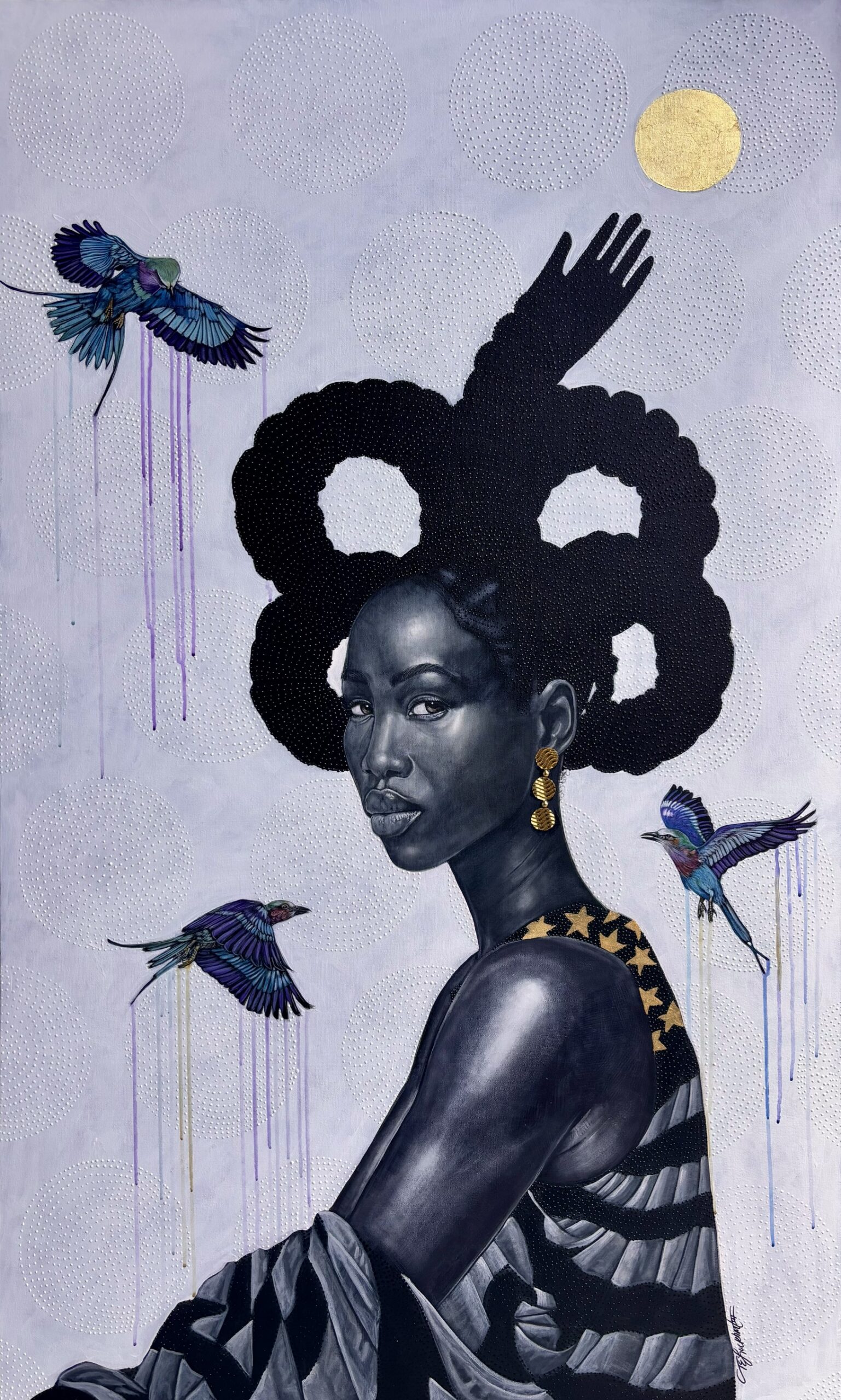
The decision to publish a luxury coffee table book creates an opportunity for your artwork to reach audiences beyond traditional galleries and exhibitions. How do you envision Painting in the Spirit expanding your brand, introducing your work to new collectors, and creating additional opportunities within the business of art?
I really would love to see this book in many institutions for example colleges, businesses, hotels, bookstores, museums. I want to talk about these images that I’ve created with the younger generation and our current generation in areas around the country. I love doing books signings, and being able to sit in front of a crowd and talk about divisions that I’ve had for the images I’ve created and explaining why I painted these images and getting to listen to an audiences questions and being able to present a reasonable answer to them. With this coffee table book, I want more young people to collect Black art. Art is an investment if done correctly.
When future generations encounter Painting in the Spirit, what do you ultimately want this publication to communicate about your life’s purpose, your contribution to African American art, and the legacy you hope to leave for artists and collectors who follow?
I want people who view this publication in the future, to see the work of resilience, joy, beauty and storytelling through visions of a gifted artist that truly cares about his craft and about the viewer. I want to leave a legacy that brings people together from all walks of life and inspire many others to dream, do and become art collectors and investors.