

At the dawn of 2026, as artificial intelligence barreled its way into industries, the workforce, financial markets, and human society in general, human resource experts, market analysts, and tech gurus drew attention to changes in skill requirements—what some termed “the skills churn”—for the new year and beyond.
Hacking HR, a global human resources learning community of HR professionals and business leaders from different backgrounds and industries, contends that tech roles will face a 29 percent churn rate—meaning roles will change or disappear and new ones will emerge—in the next few years largely under the influence of AI.
At Goldman Sachs, Chief Information Officer Marco Argenti remarked on AI-influenced changes. “In my 40 years in technology, 2025 saw the biggest changes I have seen in my career,” he said in a January 22 Outlook, titled “What To Expect From AI in 2026.” “And what’s crazy,” the former vice president of technology of Amazon Web Services, continued, “is we haven’t seen anything yet—in fact, I predict 2026 will be an even bigger year for change.”
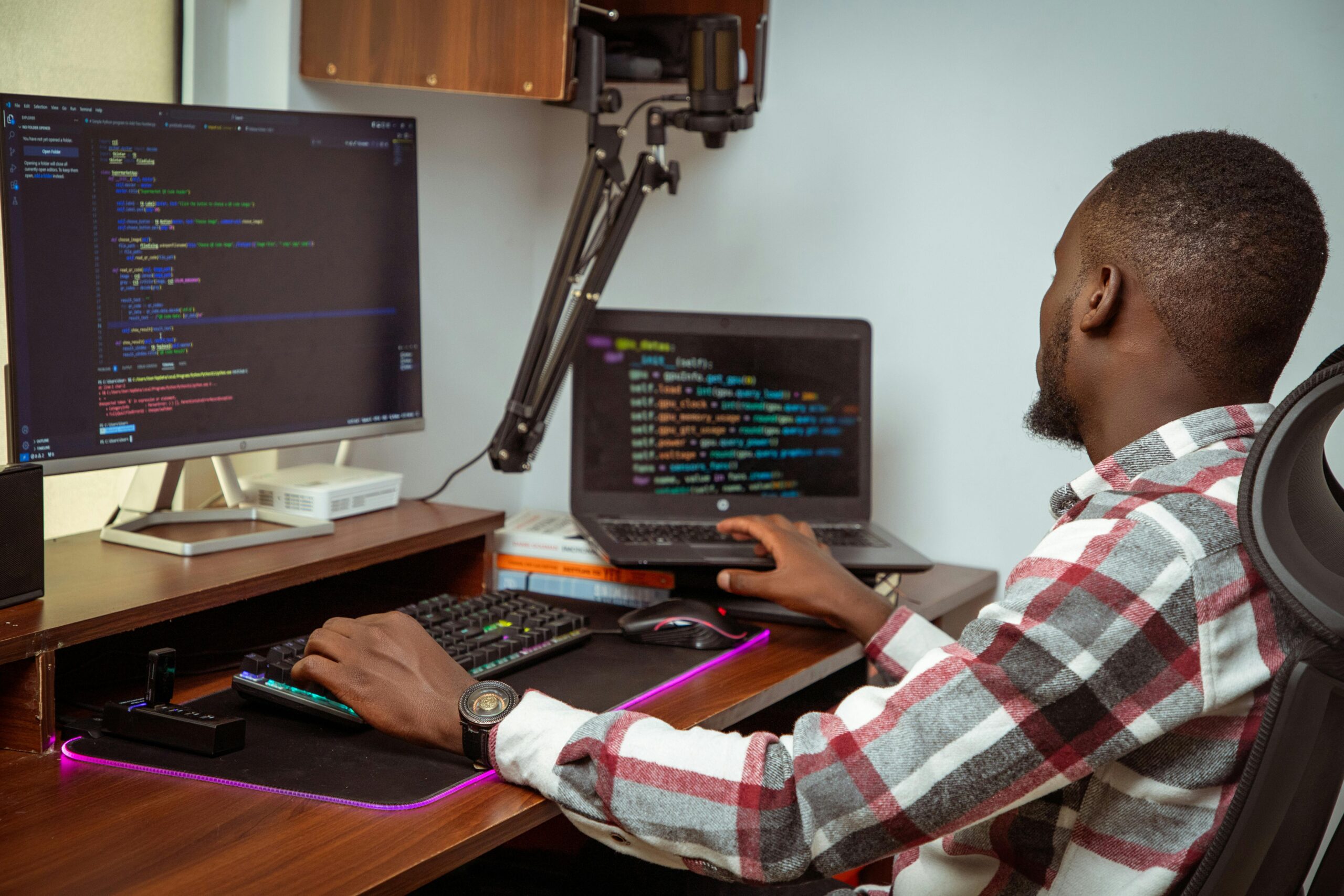
Top high-income tech skills [six-figure minimum]
Online training provider Simplilearn identified the top-five high-income skills that companies worldwide are looking for in the skills churn era:
Cloud architecture. Cloud architects are in high demand to ensure systems run smoothly. Companies like Amazon, Google, and Microsoft are actively hiring for this role as cloud systems become the backbone of every industry.
Fullstack development with AI integration. Full-stack developers integrate AI into applications. Top companies like Meta and Google are looking for developers who can build applications with both backend systems and AI-powered features.
Ethical hacking. With the rise of cyber threats and attacks, companies like IBM, Cisco, and Amazon are hiring nonstop to safeguard their systems. Ethical hackers help prevent security breaches, making this a high-paying and secure career path.
Generative AI & prompt engineering. Generative AI creates new content text, images, code, music, videos, and more, based on patterns learned from existing data. The demand for specialists is rapidly growing, with companies like OpenAI and Google hiring for roles that involve designing prompts, fine-tuning models, and integrating AI into business processes.
Artificial Intelligence & machine learning. AI and ML engineers earn the highest salaries designing systems, training algorithms, and applying AI for automation, analytics, and innovation. With AI driving innovation in industries like healthcare, robotics, and self-driving cars, this skill is highly sought after, offering unlimited career growth.
Essential foundational skills
Business leaders understand, however, that hard skills alone do not guarantee success, even survival—professional or organizational. Indeed, employers have prioritized foundational skills to complement raw technical proficiency in the increasingly digital and global environment.
In Forbes magazine last November, senior contributor Sho Dewan identified five critical non-technical skills professionals will need to successfully navigate this environment and explained why:
Adaptability in fast-changing environments. The ability to pivot and respond effectively to change is critical. The successful professional not only handles unexpected tasks, but also anticipates change, and solves problems.
Data literacy for smarter decision-making. With data driving almost every business decision today, analytical thinking and data literacy will allow professionals to spot trends, make evidence-based recommendations, and influence strategic decisions. Even small improvements in your ability to interpret and present data can set you apart in meetings and project discussions.
Tech fluency beyond the basics. Even in non-technical roles, familiarity with common workplace platforms, cloud-based tools, and communication software has become a baseline expectation. Professionals who can navigate these systems confidently are better positioned to contribute efficiently and stay competitive.
Collaboration across cultures and time zones. Remote and hybrid work environments make cross-cultural collaboration the norm. Mastering collaboration across cultures requires active listening, asking clarifying questions, and documenting agreements to avoid misunderstandings. Leveraging shared project boards and scheduling meetings with time zone awareness ensures projects stay on track and relationships remain strong.
Emotional intelligence for leadership and teamwork. Emotional intelligence [self-awareness, empathy, motivation, self-regulation, social skills] is increasingly recognized as a critical skill for career growth. Those who can navigate emotions effectively, both their own and others’, are more likely to foster collaboration, resolve conflicts smoothly, and build trust across teams, which enhances both personal and organizational performance.
Other identified in-demand skills
Augmented Reality (AR). AR overlays digital information onto the real world through devices like smartphones, tablets, and AR glasses.
Automation, workflow optimization: Streamlining processes through tools and technical skills.
Creativity. Differentiating with innovative solutions
Digital marketing. Requires skills in SEO, content and data-driven campaigns. Modern marketers blend data, AI, and strategy.
Product management: Ensures timely, budget-friendly project delivery by coordinating teams and managing risks.
Software proficiency, digital fluency: Mastery of various tools, including AI assistants, and the ability to learn new tech quickly.
UI/UX (user experience) design. UI/UX designers craft intuitive digital experiences.
Web, software development. Web and software developers build websites and maintain their digital infrastructure.
The comment, “…nothing can be said to be certain except death and taxes,” quoted in 1789 by American statesman Benjamin Franklyn after the signing of the U.S. Constitution, often is repeated in the context of the only things that you can bet your life on.
In today’s digital world, especially one increasingly dominated by AI, change itself is certain. The only uncertainty about it is its speed.