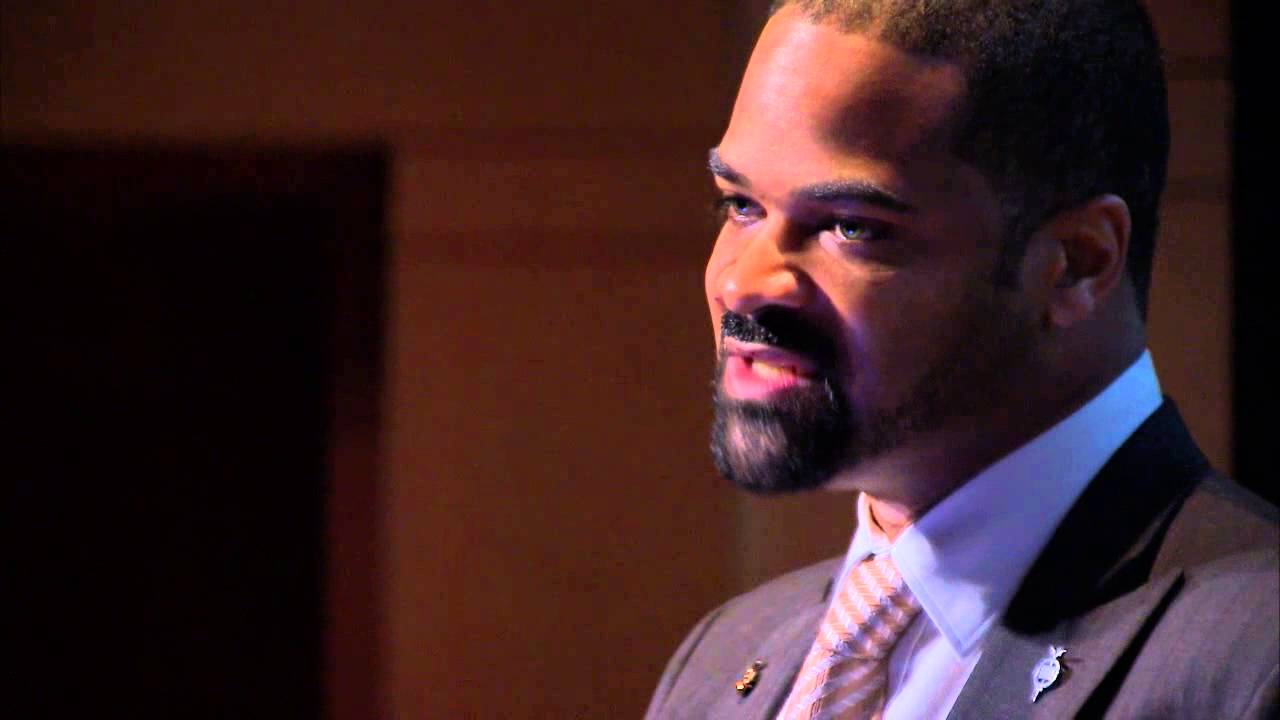
Eli Williamson is a powerful voice in the world of contemporary photography, using his camera to shift narratives and reframe the way Black men and boys are seen in media and art. Deeply rooted in a personal legacy—his father also a photographer—Williamson’s work blends visual storytelling with emotional depth, offering a counter-narrative to the stereotypes that have long haunted Black masculinity. With a focus on dignity, nuance, and vulnerability, Williamson’s portraits illuminate the everyday strength and quiet wonder of his subjects, while pushing the boundaries of how Black men are celebrated in luxury and fine art spaces.
What inspired you to use photography to uplift the images of Black men?
Williamson: My father is a photographer and I was blessed enough to see the impact of his work capturing images of our community. I am also witness to the positive impact it has had on me when I look at the images he has captured of our family. Photography provides a great opportunity to both document and create art from a specific moment in time.
How do you approach storytelling through your lens?
Williamson: My work seeks to address the stereotypes about what is expected from Black men and boys and provide both context and counterpoint to the notion that Black men and boys lack inherent virtue.
Luxury magazines often celebrate sophistication, excellence, and legacy. How do you incorporate these elements into your work?
Williamson: Legacy provides the anchor and backstop for what we define as excellent or sophisticated. The legacy of Black men positively shaping society provides the opportunity for us to analyse the values that we deem important and how those values align with our historical impact.
How do you challenge outdated perceptions and redefine the visual narrative of Black masculinity?
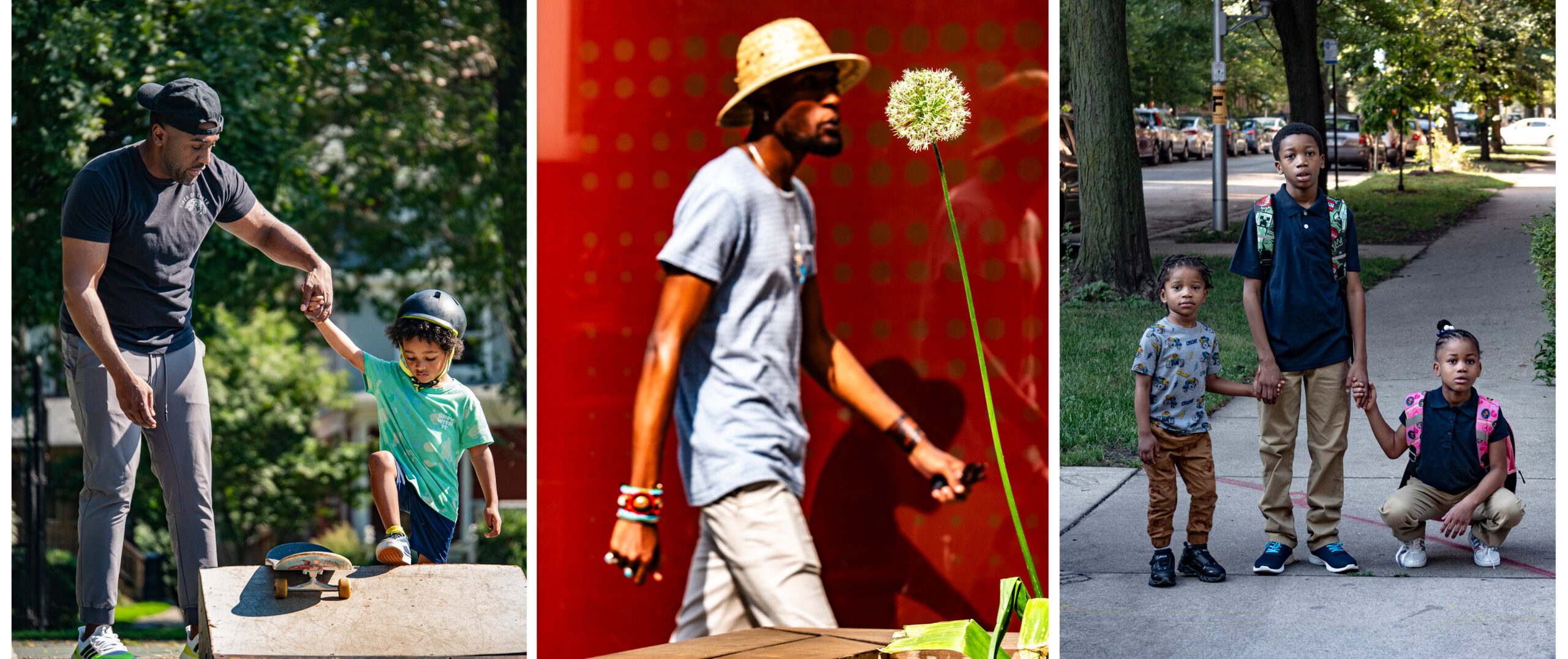
Williamson: The Four Virtues is a four-part monograph that explores and cements the virtue of Black men and boys through images. The Four Virtues: Fatherhood, Work, Wonder, and Fellowship provide witness to the complexity of Black men and boys as they navigate narratives hostile to their identities, wellness, and the communities in which they live. Mirroring the cardinal virtues, these captured images and written exposition explore how these Four Virtues provide the lens through which Black men and boys should be supported, loved, and honored in our society.
How do you create a space where your subjects feel comfortable expressing their full selves?
Williamson: Empathy and compassion create opportunities for those in front of my lens to know that I not only care about their story but I care how this story will represent them to those that they love and their legacy. They also know that I share their angst and anxieties on the perceptions that we have been assigned since birth. It is in this understanding that I hope to create an environment in which their essence is represented.
What role do fashion, setting, and lighting play in the way you present Black men?
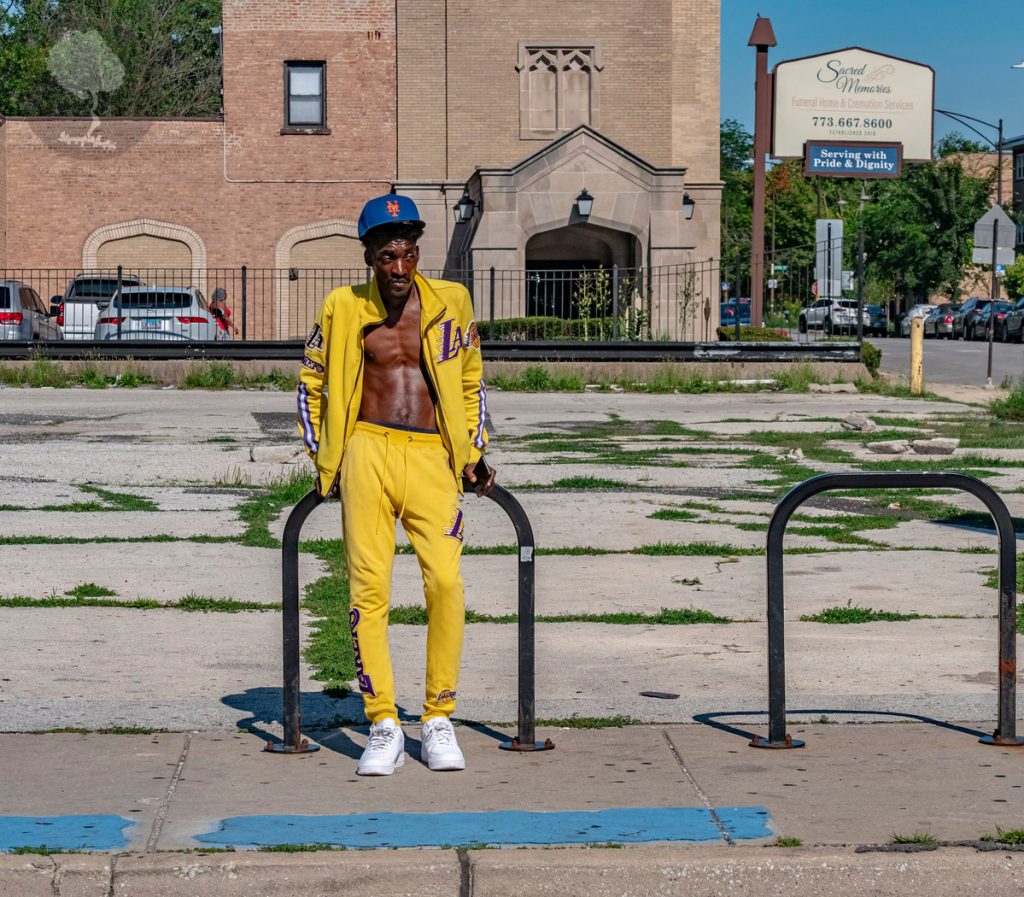
Williamson: I enjoy capturing Black men and boys however they show up. Whether they are going to and from work, going about their day, or dressed to impress, I hope to capture the best parts of their style. As a street photographer I enjoy working in any type of light. I feel that each scenario allows me to focus on different aspects of the colors and shades in which my subjects are shown.
Share a moment when a subject saw themselves differently—maybe in a way they hadn’t before—after being photographed by you?
Williamson: When I first started taking pictures of Black fathers I would do portraits and afterwards I would let them know that I was proud of them. One of the fathers teared up and told me that it was the first time someone told him that they were proud of him. That shook me… his son was 12.
Talk about challenges you faced to get your work into luxury and fine art spaces?
Williamson: Photography is tough especially when you are focused on both documentary and fine art. Currently I am building out multiple long-form projects. Creating the work is different from selling the work. I have now built a team that is helping me sell and curate what we think are images that resonate with those who wish to support artists like myself. It is a long process and I must remain both patient and aligned with the opportunities of a market that has a great deal of saturation.
How do you balance artistic integrity with commercial opportunities, ensuring your vision remains authentic?
Williamson: I will create art whether someone buys it or not. The moment that I do not find joy in my work I will stop. That joy is dependent on me, not an external marketplace. Sometimes I sit with my images and writing and appreciate what the images do to me and my soul. I am grateful to create work that inspires me to continue to make art.
Describe one of the most rewarding moments of your career?
Williamson: I am grateful to the Evanston Art Center for hosting my work for four years since 2023. I have one more year and I hope this year my work shows the progression that I have made as an artist. It is an honor that they invested in a new artist and gave me space to present my work.
How do you see your photography influencing the next generation of Black artists and creatives?
Williamson: I hope my work lets the next generation know that you are not too old or too new to the medium to make a difference in the lives of those your work touches.
What do you want people to feel when they view your work?
Williamson: I hope people feel close to the subject and humanize those they may feel disconnected from.
What’s next for you? Are there projects or collaborations that you’re particularly excited about?
Williamson: Currently I am studying on scholarship at the International Center for Photography in the documentary storytelling program. This program represents photographers from all over the world and the education has already impacted my work deeply.