
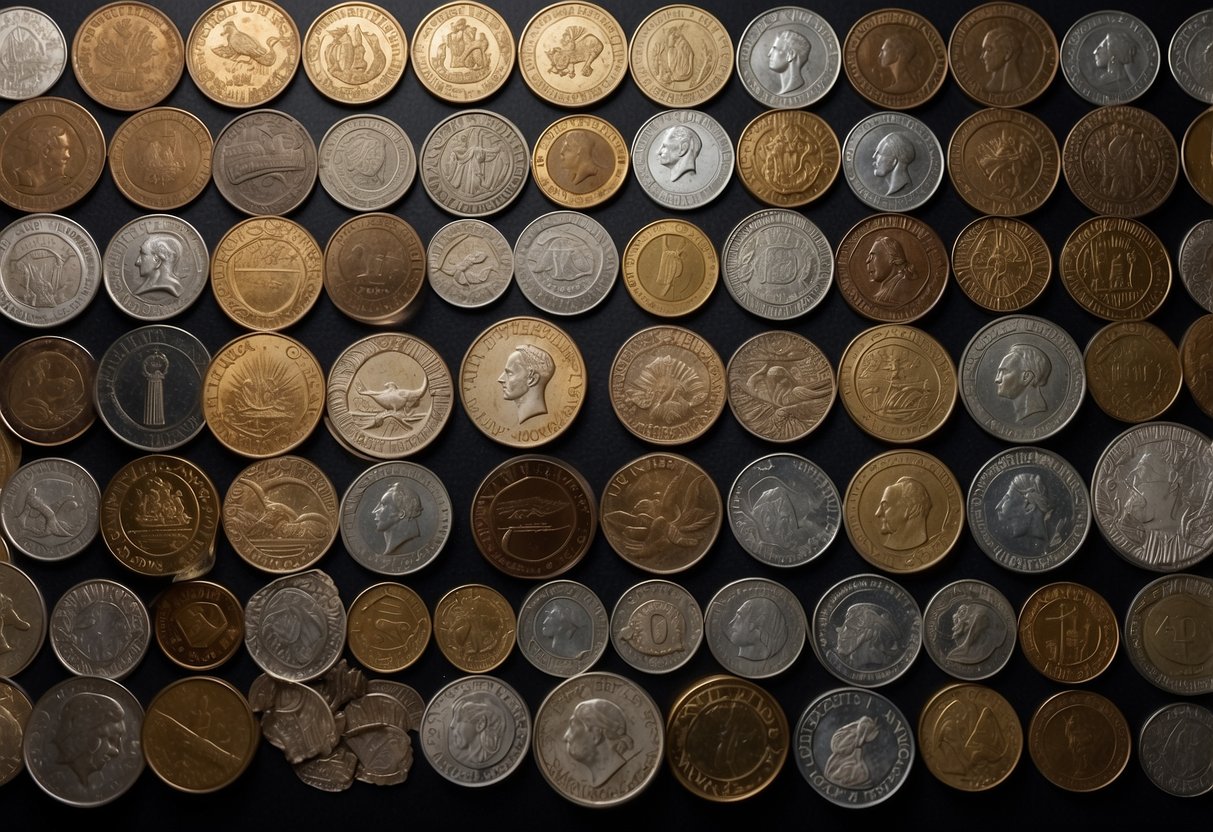
You must’ve spent that five bucks that was tucked in your wallet’s secret compartment.
Where and when is a good question. A cold drink, a hot one, a snack, who knows? You’ll just tuck another Lincoln away and there you go—covered until the next time you need a fiver and it’s not there.
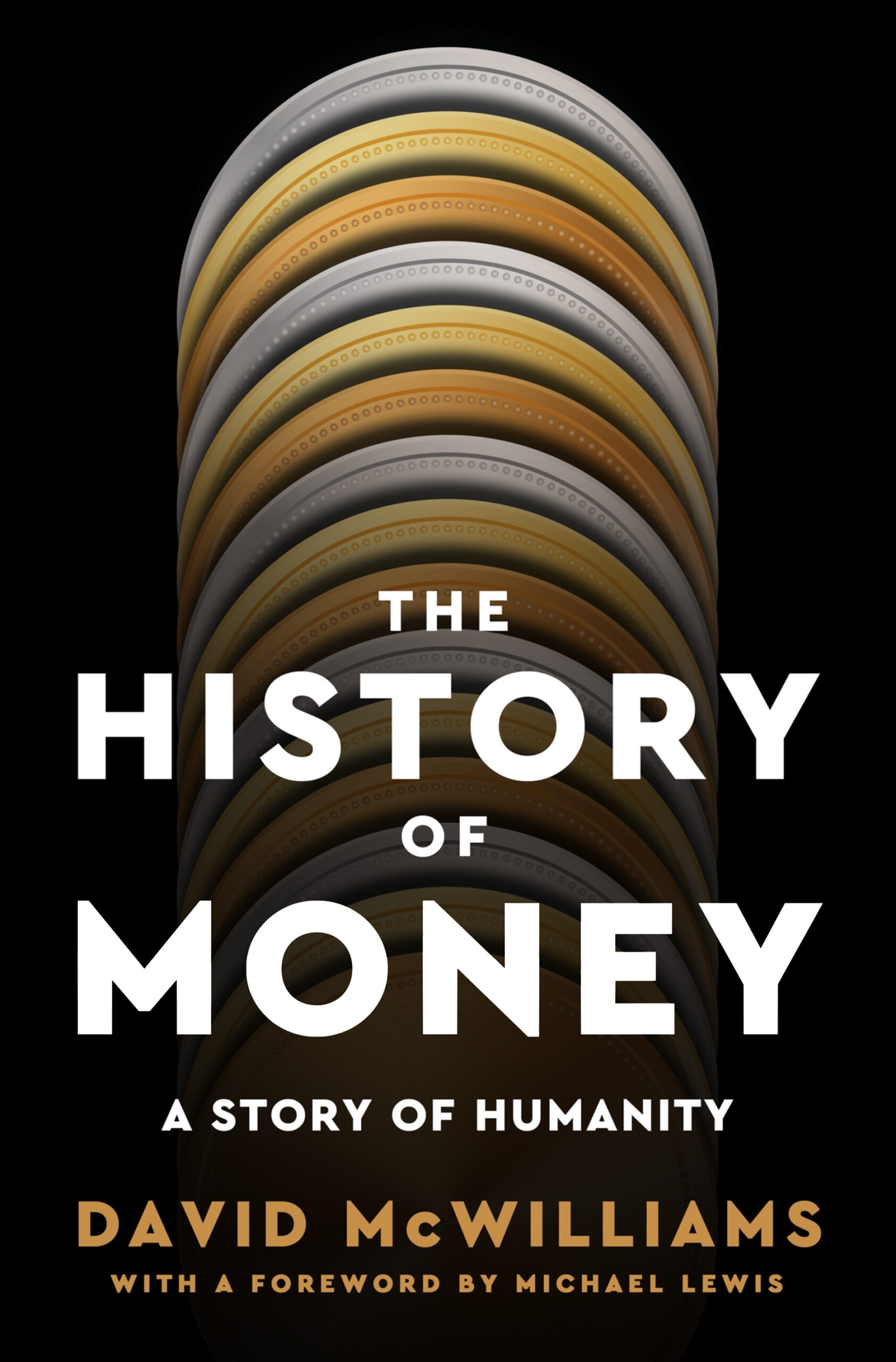
Now read “The History of Money: A Story of Humanity” (Henry Holt, November 2025) by economist David McWilliams and be glad you don’t have to tote around a bag of seed.
While it’s true that we don’t know the name of the person who birthed the idea of money, we do know who first devised a scheme to get ahead with it: he was Kushim, and, according to the Sumerians, who called themselves “the Black-headed people” because of their African origin, he had a home-brewing business “at some point between 3400 and 3000 BCE.” We know this because his was the first name ever recorded in human history.
Some two thousand years later, the Lydians, a civilization from what would become Turkey, invented coins, which helped trading throughout the Greek Empire. Eventually, the system they devised spread as far away as China and India. Coins were readily acceptable, and they made trade easier, says McWilliams, especially between people of different cultures.
The Arabs taught the world algebra, and the British thought the ensuing ability to cypher was “sorcery.” Around then, the Hindus had embraced the concept of zero – something Western societies avoided “for centuries.”
Merchant bankers appeared in the early 1400s, though the Church considered their practices as usury. Things were different in the Middle Ages when European wealth was measured in land ownership, and the Church lent money with real estate as collateral. If you had no land, by the way, you were allow to spend your money to save your soul “for a small fee.”
The movable type printing press ushered in paper money in the mid-fifteenth century, and just like that, printed books for calculating charts were possible. The Chinese invented pawning. French kings caused revolutions because of money.
And then there was crypto…
“Today, whether we like it or not,” says McWilliams, “our entire world evolves around this strange, invented notion,” but what do you know about the foldable necessities in your billfold? “The History of Money” will fill you in.
Here, McWilliams turns the story of economies, commodities, cash, and banking into a centuries-long epic that’s sometimes gleeful, always lively, and rarely dry. It arrives through pages and pages of surprises from world history, culture, travel, and etymology. Told with a winking sense of humor, it’s a story of the relationship between humans and money, from the birthplace of money in ancient Sumer settled by Africans, to Wall Street.
Chapters are set in smaller, bite-sized segments for ease of enjoyment, and McWilliams brings readers up-to-date with not-so-subtle warnings about cryptocurrency that uneasy readers will want to know. It’s like taking a class on economics and banking, only a whole lot more fun.
This book isn’t just for business-minded readers; it’s also a great book for anyone who loves history and who likes moola. So grab “The History of Money” and dig in. Reading it is time well spent.