
The story of Mildred J. Mills, writer, poet, and corporate coach, is a testament to the power of perseverance, faith, and self-definition. In her memoir, Daddy’s House: A Daughter’s Memoir of Setbacks, Triumphs & Rising Above Her Roots, she recounts her remarkable rise from a sixty-acre cotton farm in Alabama to the boardrooms of corporate America. With a voice both tender and unflinching, the former IT executive reflects on lessons learned through hardship, the strength drawn from forgiveness, and her ongoing mission to help others heal through storytelling.
What were the most defining lessons you carried from those early years into your professional life?
Mills: I carried three powerful lessons from my early years: hard work, humility, and hope. Growing up in Alabama’s cotton fields taught me that no matter how small your beginnings, you can rise if you keep showing up. My mother’s quiet strength became my compass; my father’s discipline and work ethic were my roadmap. So, when I entered boardrooms where I was often the only woman—or the only person of color—I remembered those lessons and refused to let anyone else define my worth.
Your memoir is both vulnerable and triumphant, opening space for brutal truths while celebrating resilience. How did you find the courage to share such intensely personal experiences and still maintain your sense of empowerment?
Mills: It took years to write Daddy’s House because I had to live the healing first. Courage, for me, wasn’t about being fearless—it was about being honest. Once I understood that my story could help someone else find his or her voice or healing, I knew silence was no longer an option. Vulnerability became my strength, not my weakness.
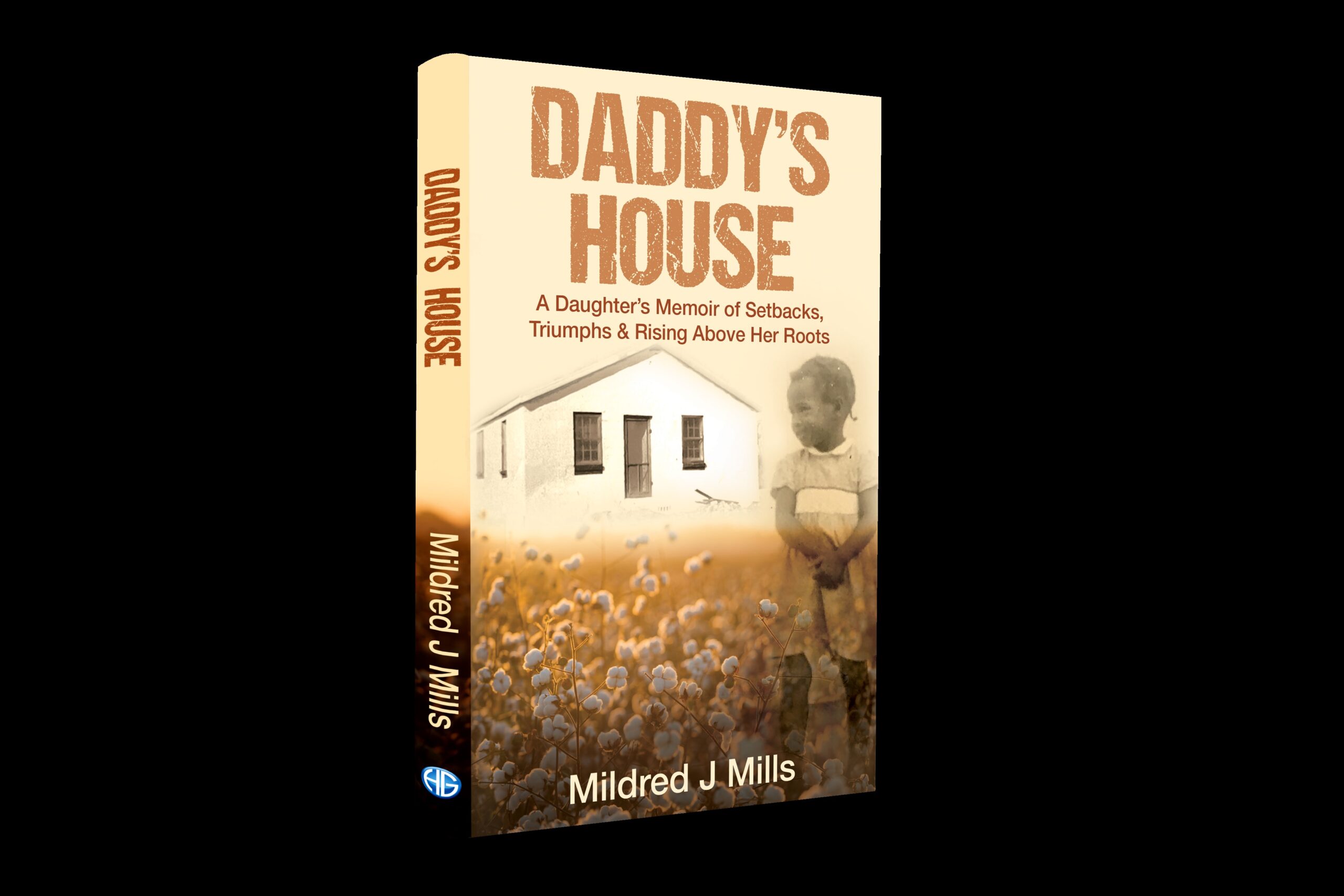
You write about confronting generational trauma and finding peace through forgiveness. How did your reconciliation with your father shape your understanding of leadership, love, and compassion?
Mills: Forgiving my father was a defining moment that reshaped how I view leadership and love. It taught me that leadership isn’t about power—it’s about empathy. When I forgave him, I freed myself. That act of grace allowed me to lead others with compassion, accountability, and heart.
You navigated corporate spaces that were often unwelcoming to women of color. What philosophies guided you to succeed and later pour back into others through mentorship and advocacy?
Mills: I learned to lead with excellence, but also with authenticity. I used what I call the “3 Rs”—Resilience, Relationships, and Reflection. I believed in doing the work exceptionally well while creating space for other women to rise. Mentorship became my ministry. Success means little if you don’t use it to lift others.
As a Black woman, executive, and survivor, you have lived at the intersection of gender, race, and resilience. What must corporate America do differently to ensure that women of color are fully supported and valued beyond performance metrics?
Mills: Corporate America must move beyond diversity as a number and embrace it as a necessity. Women of color shouldn’t have to shrink to fit into spaces—we should be celebrated for expanding them. True inclusion means valuing emotional intelligence, lived experience, and cultural perspective as much as credentials. It’s about creating environments where authenticity is rewarded, not penalized.
Your podcast, My Cotton Patch Moment, provides a space for truth-telling and transformation. What inspired you to create this platform, and what impact has it had on your listeners and community?
Mills: My Cotton Patch Moment was born out of pain, purpose, and power. I wanted to create a space where people could share the moments that changed them—those cotton patch moments that test your faith but reveal your strength. The impact has been deeply rewarding. Listeners tell me it’s helping them heal, forgive, and begin again—and that’s the highest compliment I could ever receive.
How do you define success now that you’ve moved through so much pain toward purpose?
Mills: Success used to mean climbing the ladder. Now it means lifting others as I climb. It means peace of mind, purpose in my work, and presence with my family. I measure success by the lives I touch and the hearts I help heal.
You often speak of forgiveness as liberation. What words would you offer to someone struggling to release resentment and embrace healing?
Mills: I would tell anyone struggling to forgive—don’t do it for them, do it for you. Forgiveness doesn’t excuse the harm; it releases its hold on your heart. When you let go of resentment, you make room for freedom, for joy, and for your next chapter.
Your upcoming book project, The Hope Club, explores the emotional effects of maternal incarceration on children. How does this new work reflect your broader mission to amplify the voices of those often unheard?
Mills: The Hope Club is very close to my heart. It explores what happens when a mother is missing from the home, particularly through incarceration. It’s a children’s story, but it carries a universal message of healing and belonging. I wrote it to remind children—and adults—that hope is still possible, even when love feels far away.
What legacy do you hope to leave as an author, leader, and advocate for healing and self-love?
Mills: My legacy will be that I used my voice to help others find theirs; that I turned my pain into purpose and created pathways for healing. Whether through Daddy’s House, The Hope Club, or My Cotton Patch Moment, I want people to know that your beginning does not define your becoming.