

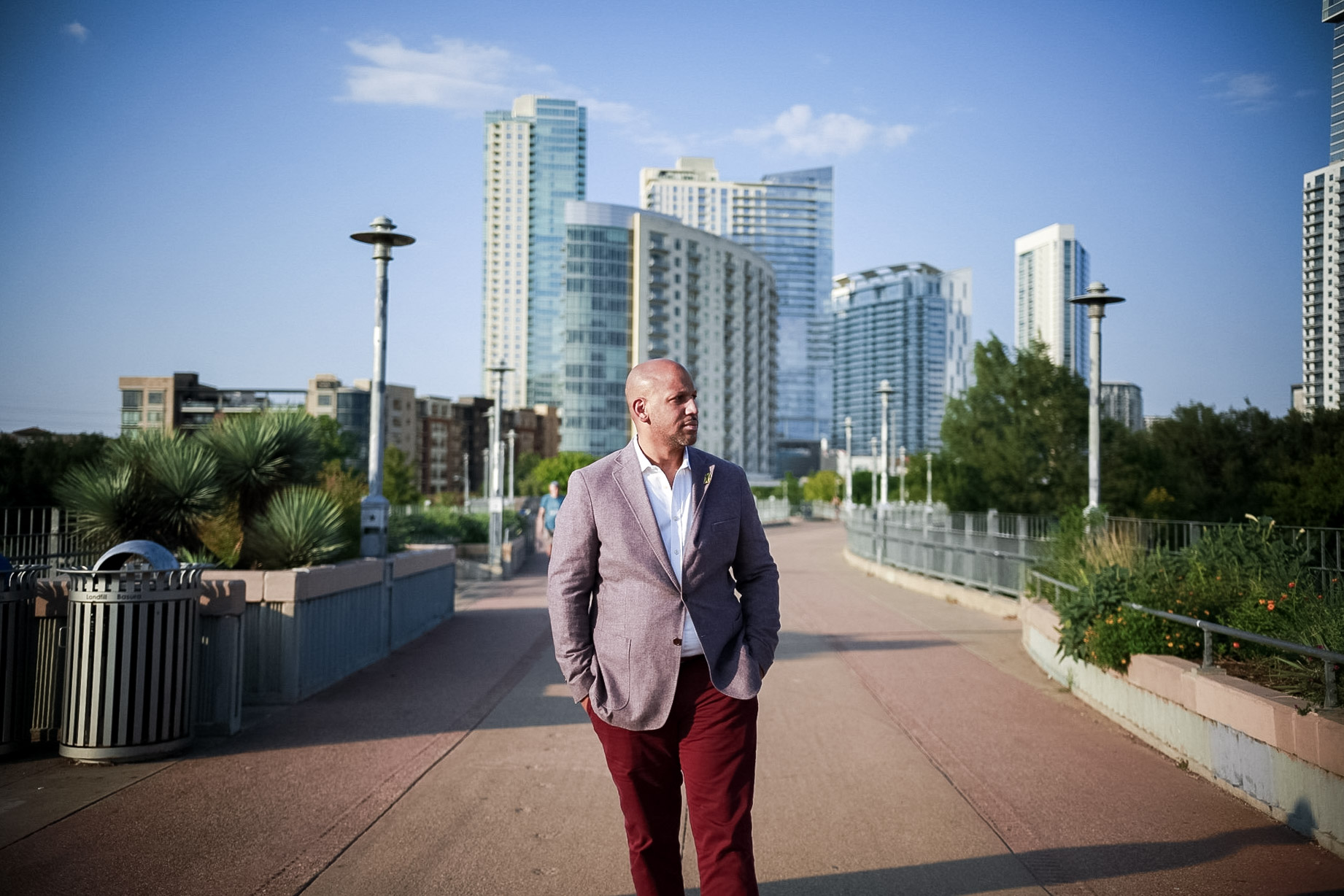
A New Orleans native and a force in the courtroom, Justin Reese, Esq. has carved out a powerful space in personal injury law—fueled by purpose, compassion, and an unshakable commitment to community. Known for his sharp legal mind and empathetic presence, Reese blends strategic litigation with heartfelt advocacy, representing clients during some of the most vulnerable times in their lives. From navigating tragedy to securing justice, his work extends far beyond legal outcomes. It’s about restoring dignity, rebuilding lives, and leaving a legacy rooted in service, he explains. He recently sat down for an interview with TNJ.
What inspired your journey into personal injury law?
Reese: I didn’t set out to become a personal injury attorney. During law school, my passion leaned heavily toward criminal prosecution. My plan was to gain experience and then eventually move into criminal defense. But I graduated in 2009—right at the height of the financial crisis. Legal jobs were scarce, and personal injury was the only door that opened. People were still getting into car accidents, experiencing medical malpractice, and dealing with wrongful death claims. So I took that path. Looking back, it was the best thing that could’ve happened to me—even though I didn’t choose it, it truly chose me.
How would you describe your approach to advocating for your clients, especially during the most difficult moments in their lives?
Reese: Being a personal injury attorney isn’t just about getting compensation—it’s about being present for people when they’re at their most vulnerable. I often find myself wearing many hats: legal advisor, therapist, financial counselor. My clients are dealing with real pain—physical, emotional, and financial. When I center their wellbeing and focus on those human elements, everything else tends to fall into place.
What are some of the biggest misconceptions people have about personal injury attorneys?
Reese: The “ambulance chaser” stereotype is one of the most frustrating misconceptions. I care deeply about the people I represent. I take immense pride in the service I provide, and I work hard to build a reputation that leads people to call me directly, often through word-of-mouth. My clients know I go above and beyond for them, and that means everything to me.
Talk about a case that left a lasting impact on you.
Reese: One case that will stay with me forever involved a child who was sexually abused at a medical care facility. It wasn’t just the child—the entire family was devastated. The emotional toll was unimaginable. Helping them navigate that trauma, seeking justice, and holding the responsible parties accountable—it was one of the most challenging and meaningful experiences of my career.
How do you balance being a legal strategist with being a compassionate advocate?
Reese: It’s a constant balancing act. When I’m with clients, I lead with empathy. But when I’m across the table from defense attorneys or insurance adjusters, I have to shift into strategic mode. Listening more and talking less has served me well on both ends. It helps me understand my clients’ needs deeply—and also anticipate and counter the other side’s moves effectively.
What role does community engagement play in your professional life?
Reese: Community involvement is foundational. I’ve always believed in giving back. My community isn’t just where I work—it’s where I live, where I serve, and where I find purpose. Helping others outside the courtroom adds a layer of fulfillment that’s hard to put into words.
How has your upbringing influenced your approach to your work?
Reese: I was fortunate to grow up with a father who was a lawyer and later became a judge. Both of my parents were tough but fair—they modeled empathy, integrity, and strength. Those values guide me today. I try to bring that same balance to my client relationships: knowing when to show empathy, and when a bit of tough love is necessary to protect their interests.
What would you advise young Black professionals pursuing a legal career, especially in personal injury?
Reese: I would say: absolutely go for it. We need more Black voices in the legal field. A law degree opens up countless doors—beyond just practicing law. It can take you into law enforcement, healthcare, corporate leadership, education, finance, and more. And in personal injury law, there’s a real opportunity to make a direct and powerful impact on people’s lives.
How do you stay sharp and ahead of the curve in your profession?
Reese: Staying current is essential. I regularly attend legal conferences to keep up with new laws and evolving regulations. Networking with seasoned attorneys has also been invaluable—learning from their experiences sharpens my perspective and keeps me grounded.
What does legacy mean to you, and how are you building yours?
Reese: Legacy is everything. I’ve never wanted to be just another name in the legal profession. I want to make a lasting difference—for my clients, my community, and my family. I want to be remembered not just for the cases I won, but also for the way I made people feel, and the lives I helped improve along the way.