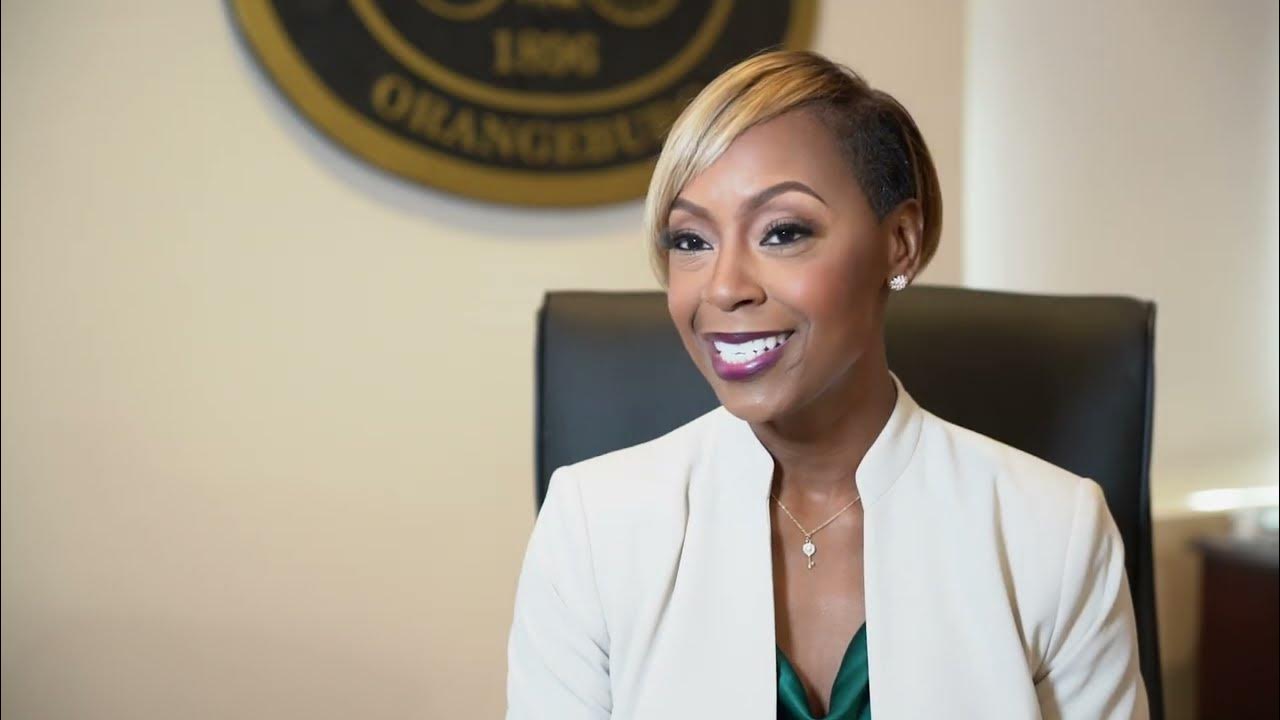
The physical, emotional and financial burden of Alzheimer’s and dementia on individuals and their caregivers cannot be overstated, says gerontologist and licensed social worker Macie P. Smith MD. And according to the latest statistics from the Alzheimer’s Association, that burden is growing—and growing fast.
“The latest statistics reveal that about 1 in 9 people 65 years of age and older has Alzheimer’s,” Dr. Smith says. “And nearly 12 million people in the United States provide unpaid care for someone with Alzheimer’s or other dementias.”
According to the Alzheimer’s Association, 21.3 percent of African Americans aged 70 and older are living with Alzheimer’s. In the Association’s special report on “Race, Ethnicity and Alzheimer’s in America,” half of the African Americans surveyed say they experienced discrimination while seeking care for a person living with Alzheimer’s, and just 48 percent say they are confident they can access culturally competent care.
For more than 25 years, Dr. Smith has been helping family caregivers and their loved ones navigate diagnoses of Alzheimer’s and dementia. Her latest book, A Dementia Caregiver Called to Action: The Journey, is a concise yet comprehensive resource designed to address common questions and offer valuable insights throughout the caregiving journey.
“As we age—and as we live we are aging—we are going to need help with some level of support or care,” says Dr. Smith, who owns and operates Diversified Training Consultants Group, LLC, a geriatric care management group in Columbia, S.C., and hosts a radio show on WOCS 93.7 FM. “No one is exempt from providing care or from needing care, so being able to better understand what caregiving entails and how truly it is a blessing to be able to care for someone else…you can never put a dollar amount on it.”
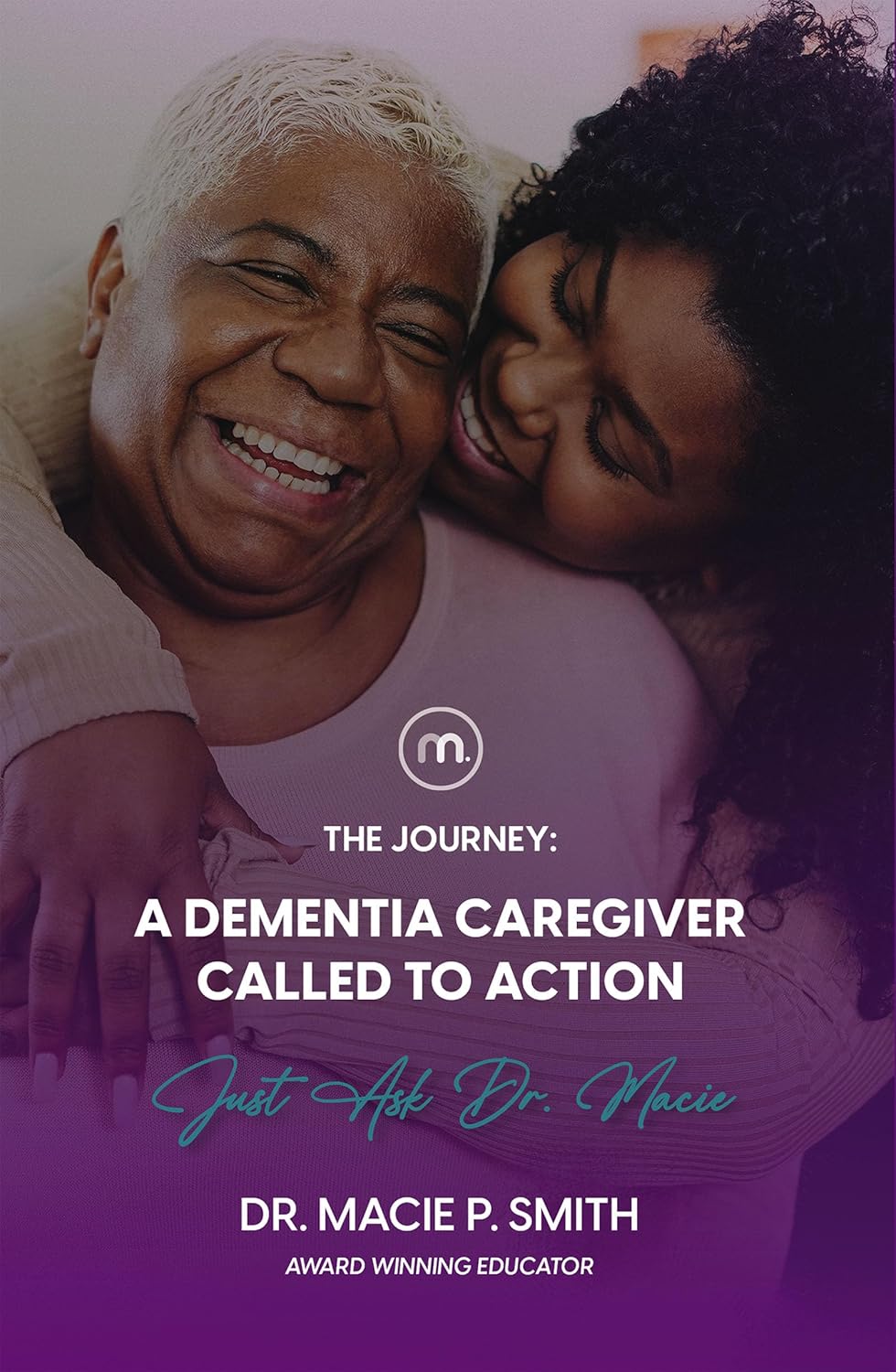
In her book, Smith takes readers through the logical progression of a dementia care experience, beginning with how to recognize potential symptoms before the diagnosis and what questions to ask the individual’s primary care physician. She then describes what to expect after a dementia diagnosis, answers common questions and details a range of care options available to dementia patients.
“Although there’s not a cure for progressive types of dementia, like Alzheimer’s, there is care—your care,” Dr. Smith adds. “So, here’s to getting ahead of the journey.”
An HBCU alum, Dr. Smith received both her Bachelor’s in Social Work and Master’s in Rehabilitation Counseling from South Carolina State University, and her Doctorate in Higher Education Leadership at Nova Southeastern University in Ft. Lauderdale, Fl.